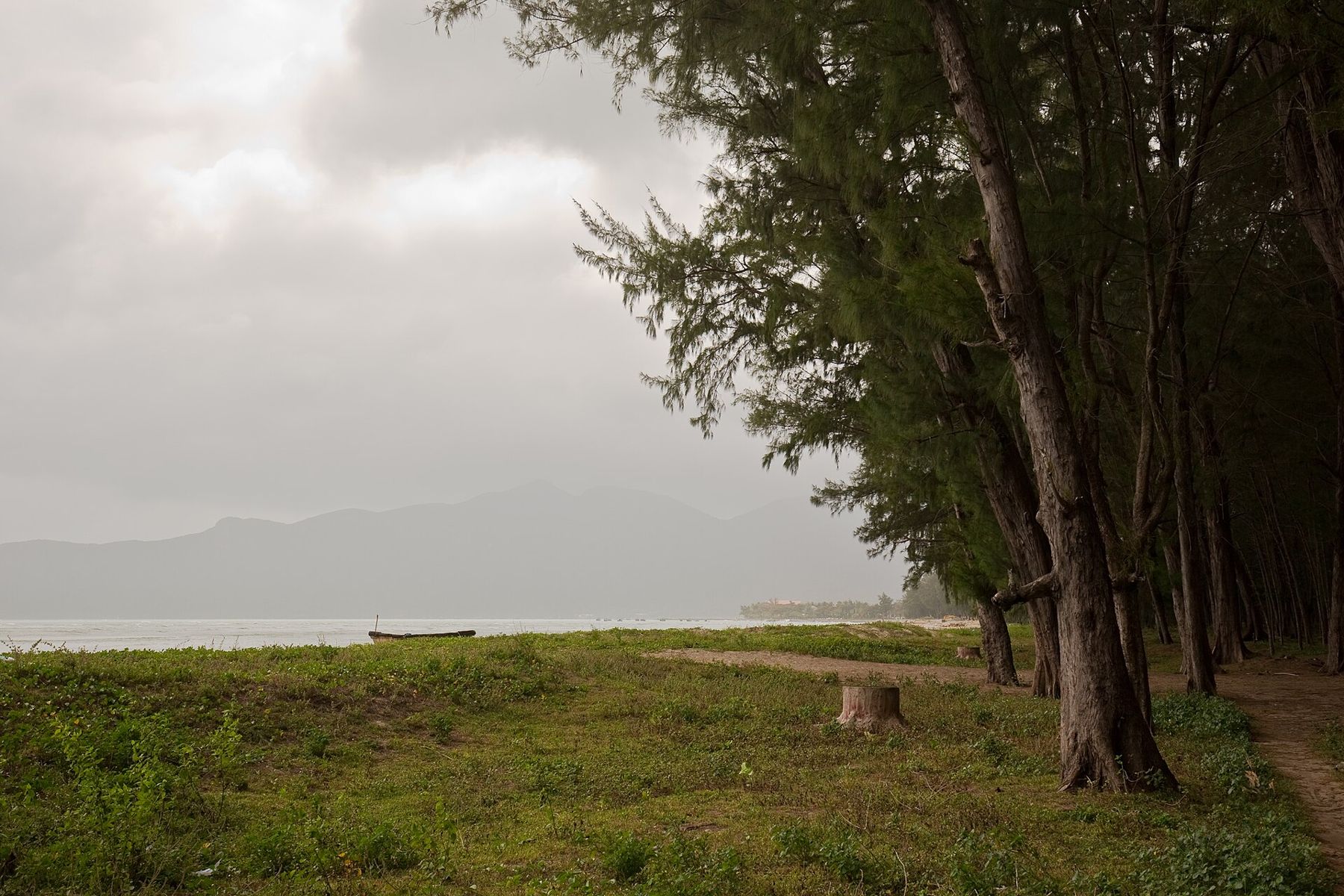
Côn Đảo (Con Dao) is an archipelago of a little over a dozen islands in the South China Sea, known in Vietnam as the East Sea, far off the southern coast. Only the largest, Côn Sơn, has a town, an airport and most of the people. The rest is forest, reef and beach, much of it protected. It is one of the quietest places to visit in Vietnam, and one of the most layered.
The islands and the national park
Côn Đảo National Park covers most of the land on the islands and a large area of the surrounding sea. The forest climbs steep granite hills straight from the shore, and the waters hold coral reefs, seagrass beds and a rich mix of marine life. Rangers manage the park, and some islands and areas need permission or a ranger escort to visit. Ask at the park office in town about current rules before you plan walks or boat trips.
The park's sea area is protected for a reason. Dugongs, rare in Vietnamese waters, have been recorded around the islands, and the reefs shelter a wide range of fish, corals and other marine life. Fishing is restricted in parts of the park, and boats are asked to moor rather than drop anchor on coral. Small choices add up here: take your rubbish back to town, stay off the reef when snorkelling, and leave shells and coral where you find them.
Walking trails lead from near the town into the forest, some to viewpoints over the bay, others down to secluded coves. Trails can be slippery after rain and the heat is heavy by midday, so start early and carry plenty of water.
Turtle season
Green turtles come ashore on several of the outer islands to lay their eggs, mainly from around May to October. The park runs a conservation programme that protects nests and releases hatchlings, and visitors can sometimes join an overnight trip with rangers to watch. Places are limited and depend on the season, the weather and the park's rules at the time, so ask well in advance.
If you do go, follow the rangers' instructions exactly: no torches or flash, no touching, and keep well back while a turtle digs and lays. Light and noise can drive a nesting female back to the sea.
 Coming up after thisThe Mekong by sampan
The prison history
For more than a century, Côn Sơn was a prison island. The French colonial administration opened the first prison here in the 1860s, and the islands went on to hold tens of thousands of prisoners, many of them political detainees, through the colonial period and later under the government of South Vietnam, until 1975. Conditions were harsh, and many prisoners died here.
©
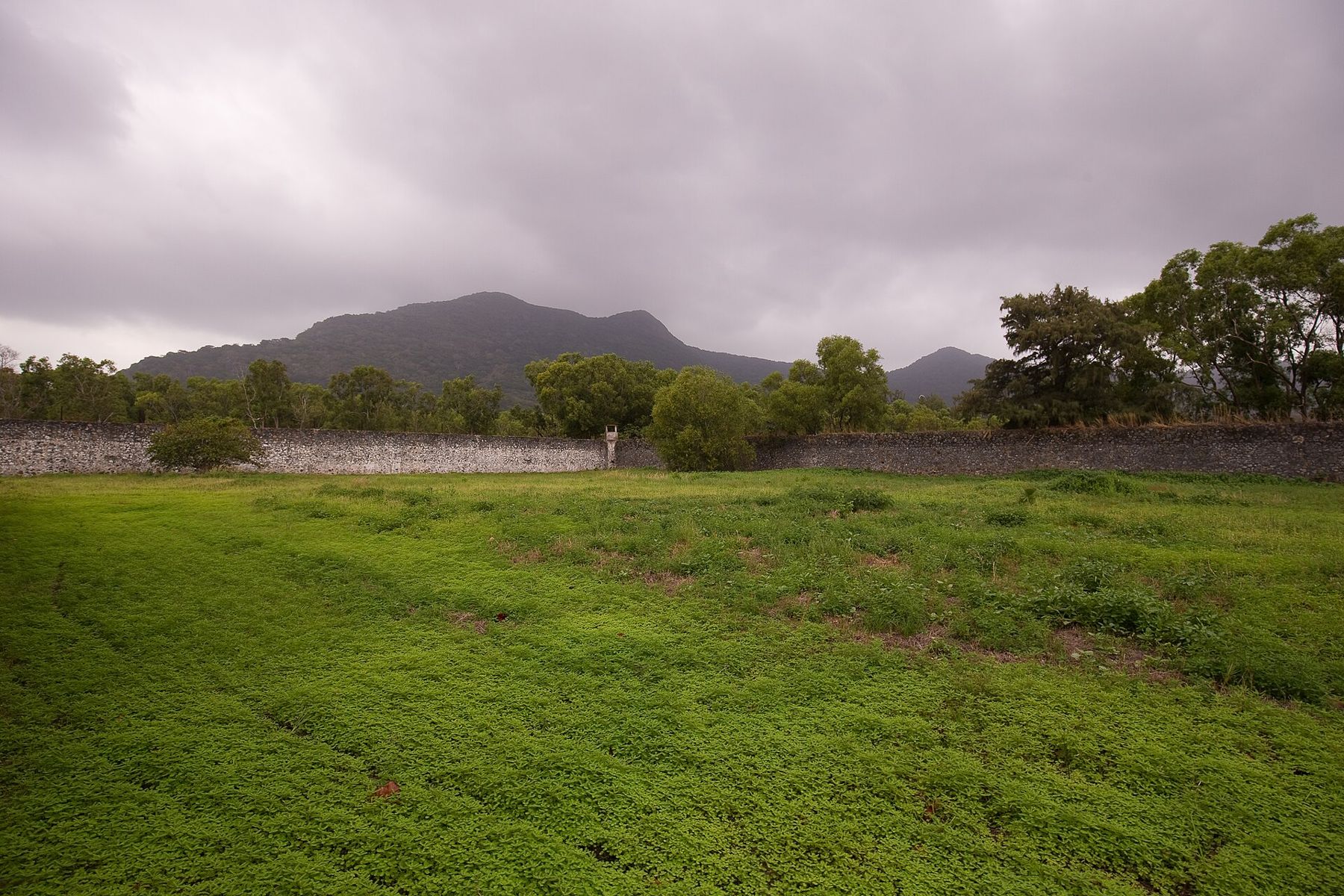
CAMERA: Tycho // CC BY-SA 3.0Several of the prison sites are now preserved as historical relics and open to visitors, including old cell blocks and the cramped cells known as the tiger cages. A museum in the town sets out the history through documents and photographs. Hàng Dương Cemetery, near the town, holds the graves of many who died in the prisons, and Vietnamese visitors come in large numbers to pay their respects, often at night.
Visit in the same spirit. Dress modestly, keep your voice low, and follow the signs on where photography is allowed. Admission times change, so check them locally. Local guides can explain the sites in more depth, and the town museum is a useful first stop before the prisons themselves.
Beaches, roads and coves
The beaches are the other reason to come, and many are close to empty on weekdays. Đầm Trầu, near the airport, is a sheltered curve of sand where planes pass low overhead on approach. Others lie along the coast road or at the end of short forest paths. Swim where the water is calm and others are swimming, and ask locally about currents; the open sea here can be rough, particularly in the windy months.
©
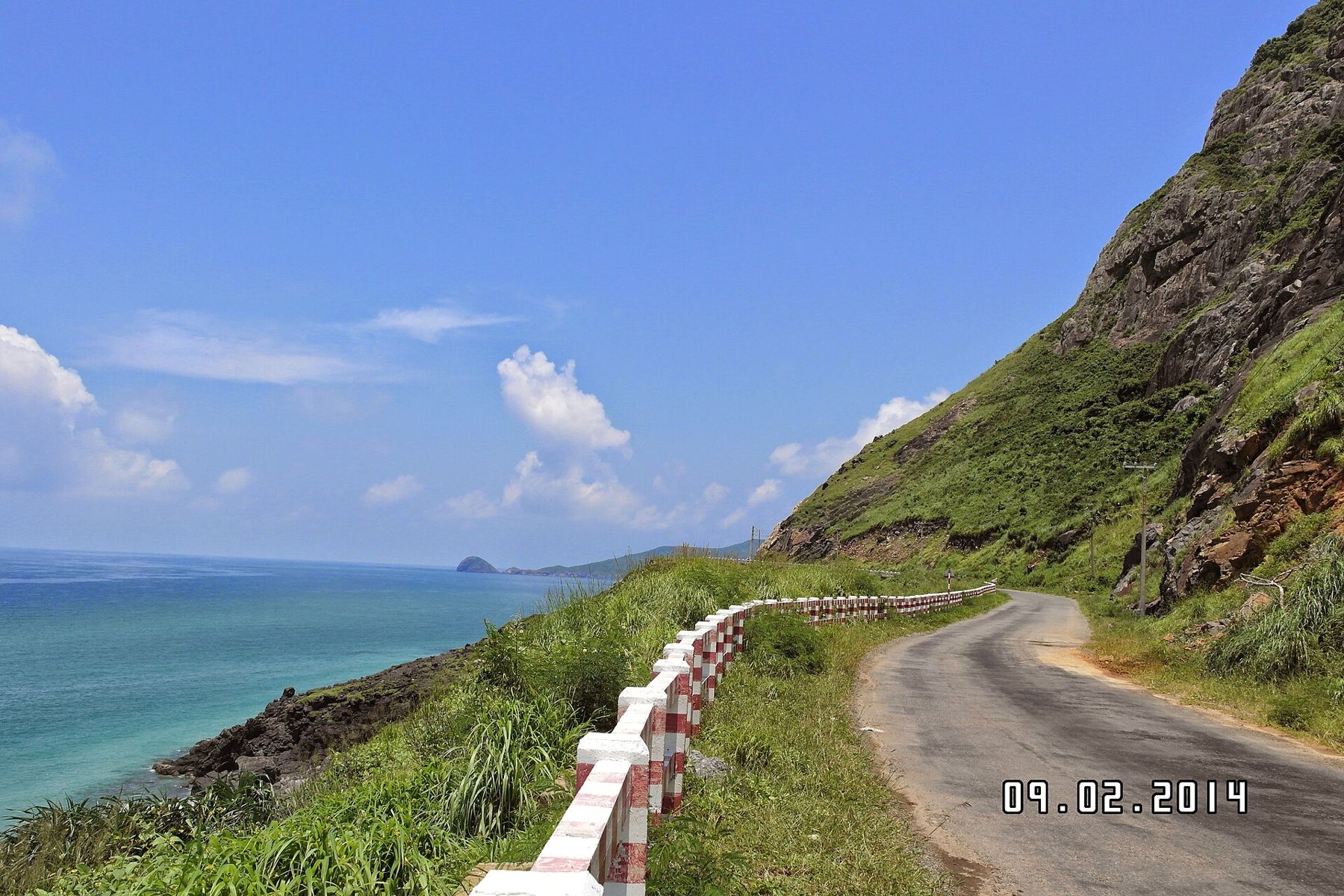
CAMERA: Lam Tr Th // CC BY-SA 3.0A coastal road loops around much of Côn Sơn, with views over cliffs and bays, and renting a motorbike is the usual way to explore it. You need a valid licence, a helmet and proper insurance to ride, and the road has steep, winding stretches. Check the current licence rules first. If you would rather not ride, hire a car with a driver for a day instead.
Snorkelling and diving trips go to the reefs, mostly in the calmer months, with operators based in town. Ask about seasonal closures and protected areas, and use reef-safe sunscreen.
Getting there and when to go
Most visitors fly from Ho Chi Minh City; the flight is short, on small aircraft, and fills quickly at weekends and holidays. High-speed boats run from the mainland coast as well, but crossings can be rough and are cancelled in bad weather. Check schedules close to your trip.
The seas are usually calmest from around March to June, which is the best window for beaches, snorkelling and boats. The wetter, windier months bring rougher water, while turtle nesting continues into the autumn. Read the regional weather notes before you fix dates.
- Allow three nights to cover the park, the history and a beach day without rushing.
- Bring cash; there are some cash machines in town but options are limited.
- Pack long sleeves and modest clothing for the memorial sites.
- Check park rules, boat permits and turtle trips with the park office ahead of time.
Côn Đảo is small, slow and serious in places. Give it a few days, and its quiet roads, clear water and long memory will stay with you.