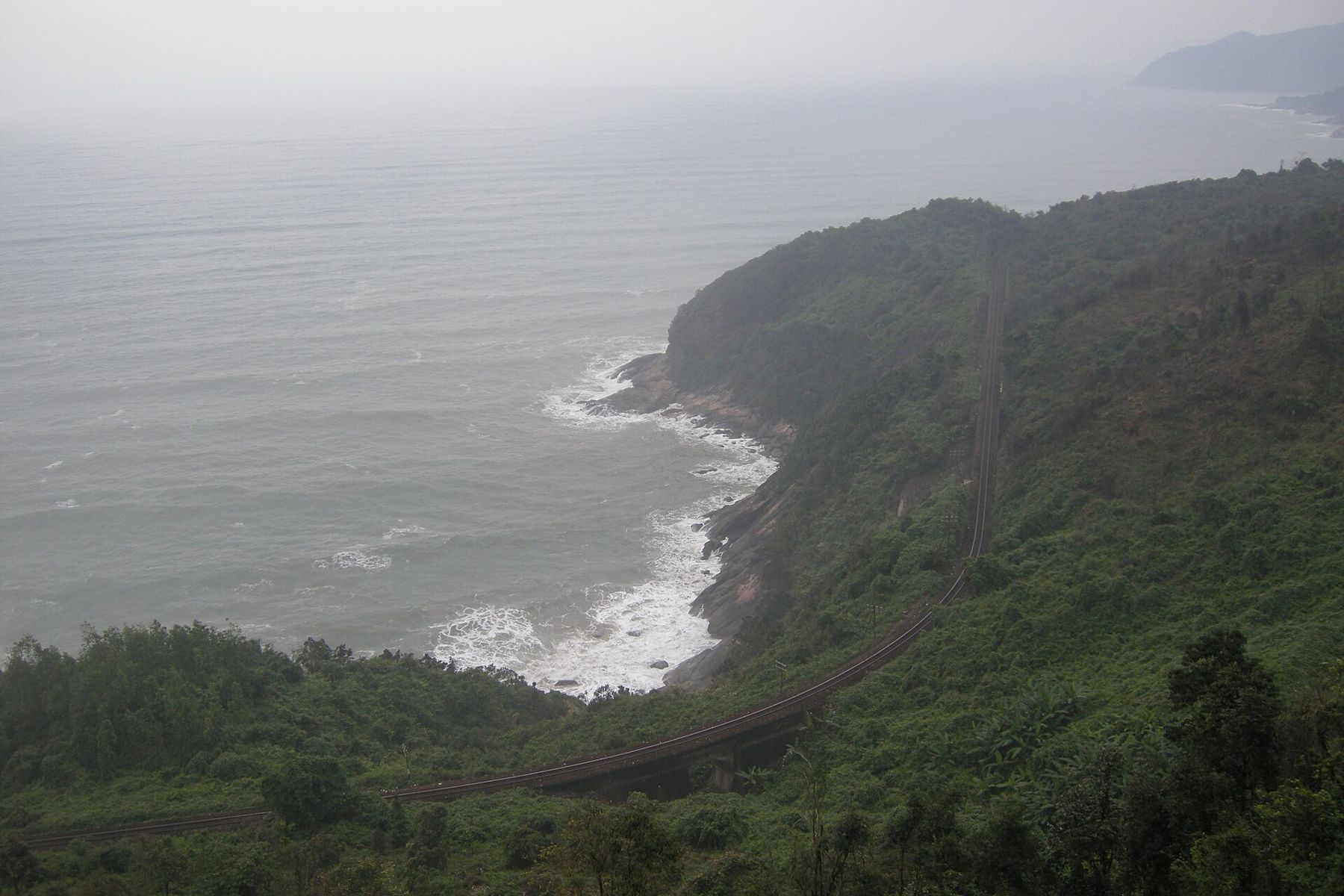
The railway between Hanoi and Ho Chi Minh City is the spine of Vietnam. Its passenger trains are known together as the Reunification Express, and the line runs for more than 1,700 kilometres, from the capital in the north to the old southern city that most people still call Saigon. Riding it end to end is slow, sometimes stuffy and endlessly watchable. Riding it in stages turns it into the backbone of a trip.
Both ends start in the city. Hanoi's main station sits a short ride west of the Old Quarter, and Saigon's station lies north-west of the old centre, a taxi ride from most places to stay. Allow time to reach either one through rush-hour traffic, which can be slow in the late afternoon when many long-distance trains leave.
The line and the long journey
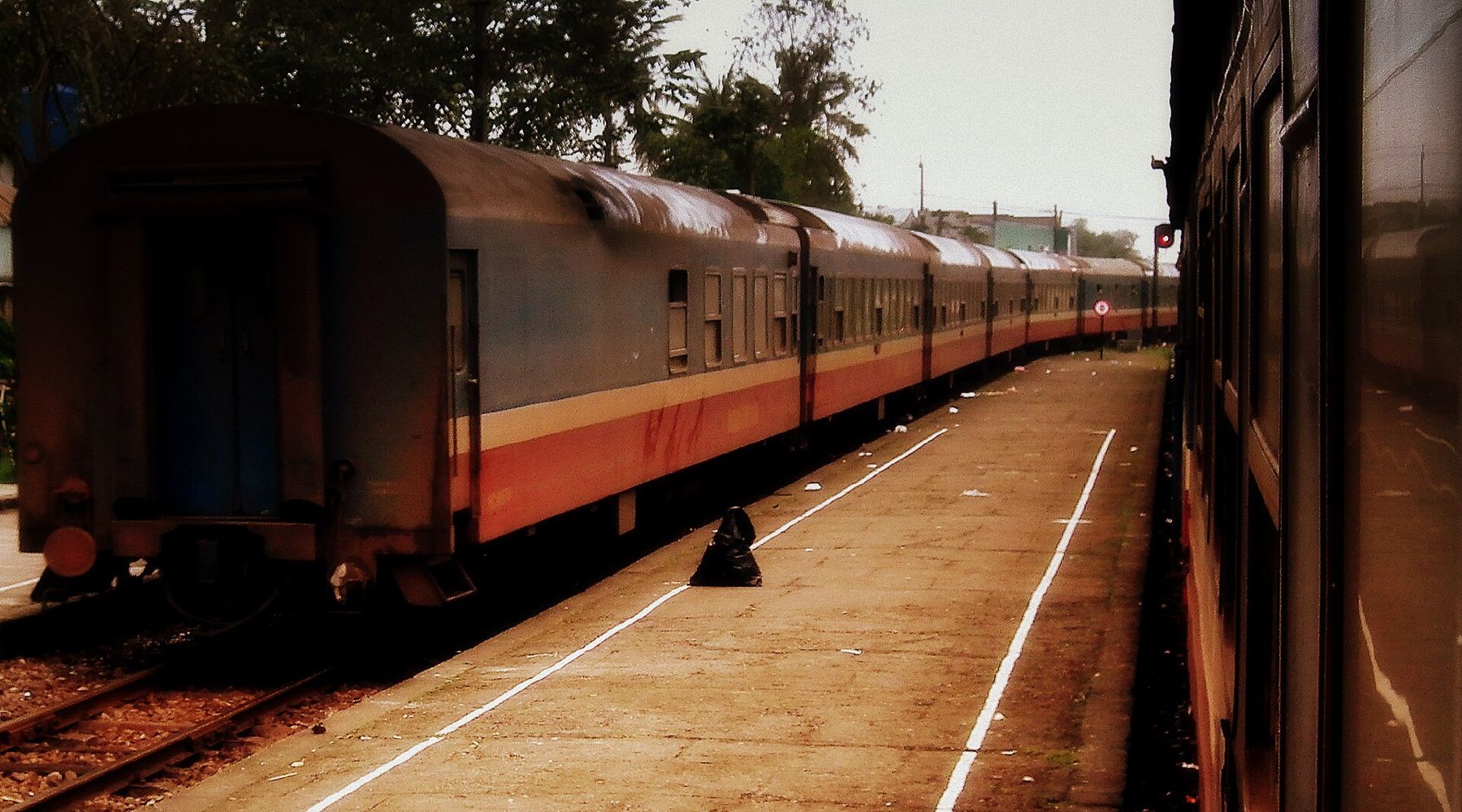
The railway was built under French rule and completed in the 1930s. Bridges and track were badly damaged during the decades of war, and through services between north and south resumed in the late 1970s, which is where the Reunification name comes from. Much of the line is still single track, so trains wait in sidings for each other, and speeds are modest.
The result is a long trip. Even the fastest through trains take well over a day, typically around a day and a half from one end to the other, and slower services take longer. Timetables are revised from time to time, so check the current schedule before you plan around it. Most travellers break the journey at least once. The trip makes most sense when you treat it as several shorter rides rather than one endurance test.
©
CAMERA: calflier001 // CC BY-SA 2.0Berths and seats
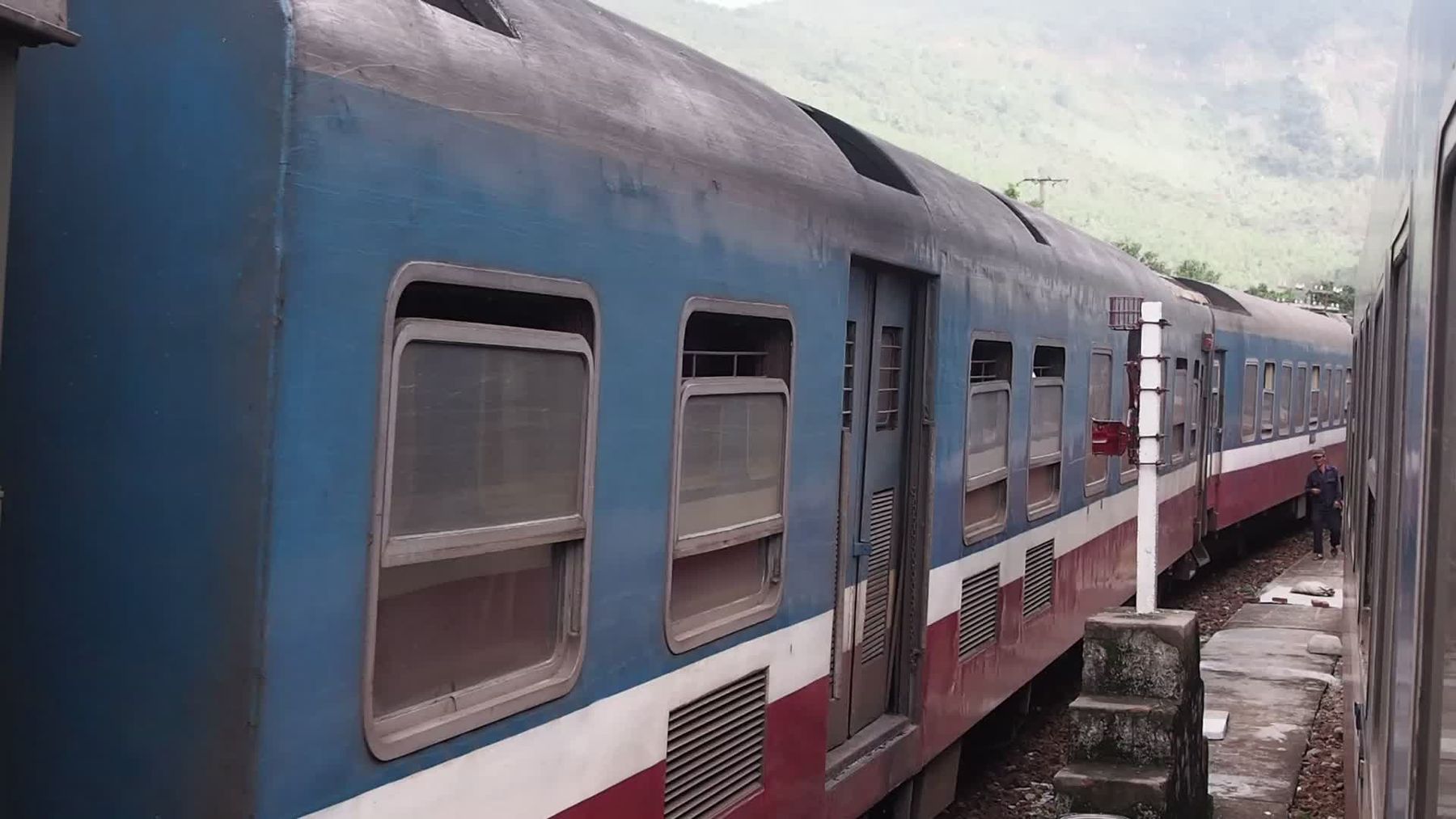
Trains carry a mix of carriages. The main choices are:
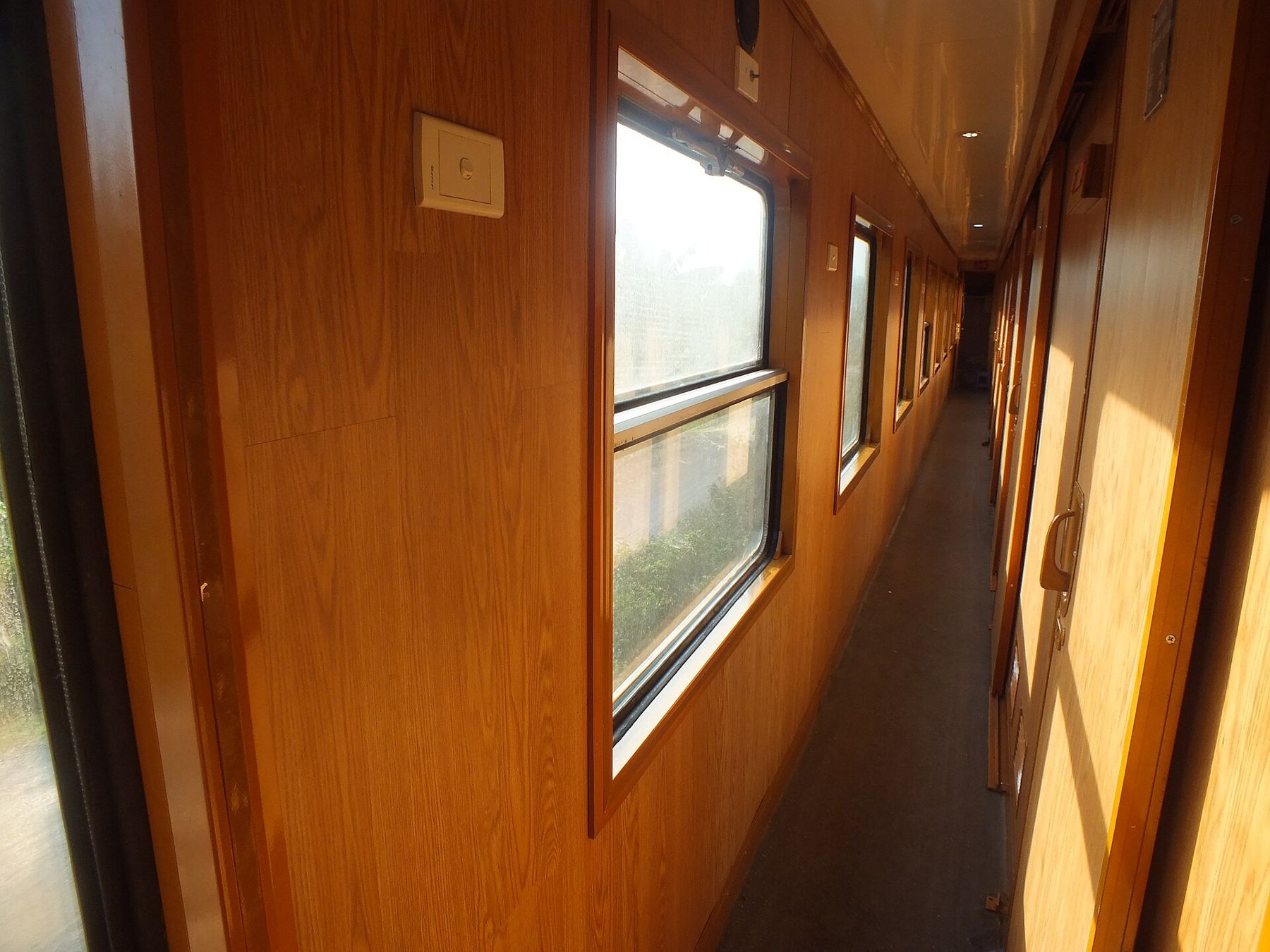
- Soft sleeper: a cabin with four berths in two tiers and a door that closes. It is the most comfortable choice for overnight legs.
- Hard sleeper: a cabin with six berths in three tiers. Cheaper, more crowded and a lot more sociable.
- Soft seat: reclining seats in an air-conditioned carriage, fine for daytime hops of a few hours.
- Hard seat: basic seats, cheapest of all and best kept for short rides.
Lower berths usually cost more than upper ones, since they double as the cabin's seating by day. Upper berths are more private but harder to climb into and closer to the air-conditioning vents. Some trains also carry carriages fitted out to a higher standard by private operators. The guide to choosing a berth goes into the details, from booking to what to pack.
©
CAMERA: 松岡明芳 // CC BY-SA 4.0Tickets can be bought through the national railway's own channels, at stations, or through agents. Buy early for weekends and public holidays, and well ahead for the weeks around Tết, the lunar new year, when the whole country travels home.
 Coming up after thisHuế, the imperial city and the emperors' tombs
The coastal stretches
For much of its length the line runs a little inland, through rice fields, villages and towns. Then, in a few places, it swings out to the coast, and these are the stretches to stay awake for.
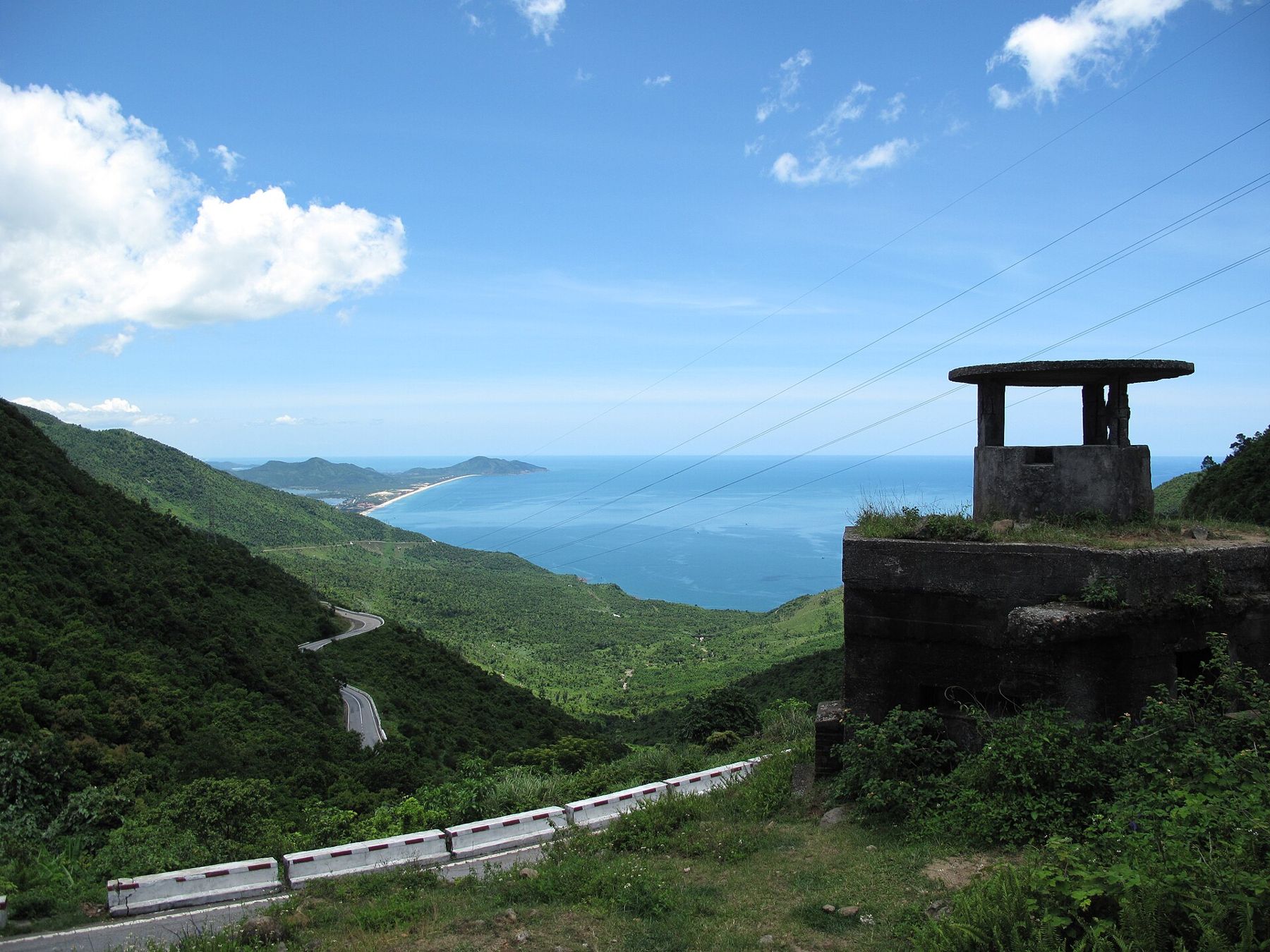
The finest is the section over the Hai Van Pass between Huế and Đà Nẵng. The highway climbs over the top of the pass or takes a tunnel through it, but the railway clings to the slopes above the sea, curving around headlands and through short tunnels, with the water far below. Sit on the seaward side, which is the left heading south, and try to time a daylight run. The Hai Van Pass episode covers the road over the top.
©
CAMERA: Tuabiht Rellahcs // CC BY 2.0Further south, the line runs past lagoons, salt fields and fishing boats, and on the approaches to Nha Trang there are views of bays and green hills. Around Phan Thiết and the dry south-central coast, the landscape changes again, with sand, scrub and dragon fruit farms.
©
CAMERA: Clay Gilliland // CC BY-SA 2.0Stops worth breaking at
Stopping off turns the long ride into a journey through the whole country. Popular breaks, from north to south:
- Ninh Bình: a short hop from Hanoi, for limestone karsts and river boats.
- Đồng Hới: the station for Phong Nha and its caves.
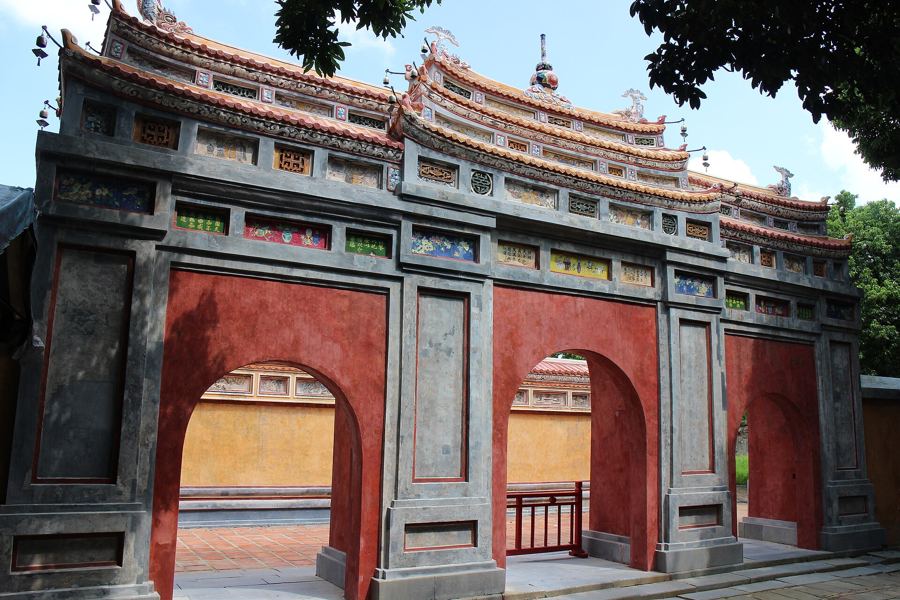
- Huế: the old imperial capital, its citadel and royal tombs.
- Đà Nẵng: beaches, the Marble Mountains and an easy side trip to Hội An.
- Diêu Trì: the station for Quy Nhơn and its quieter coast.
- Nha Trang: a long bay and boats to the islands.
A common pattern is to ride the overnight legs and stop for the daytime ones: an evening train from Hanoi reaches Huế or Đà Nẵng the next morning, the Hai Van stretch makes a short daylight hop on its own, and a further night carries you south towards Nha Trang or Saigon. Mixing in a flight for the longest gap is a sensible way to save time without losing the best scenery.
Each break means a fresh ticket, so plan legs as separate bookings. Daytime legs of four to eight hours, with a night or two in each stop, make the most relaxed way to travel the country by rail.
Life on board
Train food is simple and filling: trolleys come through with rice, stir-fried vegetables, meat and soup, along with snacks and drinks. Some trains also have a dining car. Vendors sometimes sell fruit and local snacks at longer stops, but bring your own supplies as well, especially water.
The carriages can be cold from the air-conditioning, so pack a layer. Toilets are basic and get less pleasant as a trip wears on; carry tissues and hand sanitiser. Charging points are not always available, so bring a power bank. Earplugs and an eye mask help on overnight runs, when the train stops at stations through the night.
Keep valuables with you, especially at night, and use the luggage space under the lower berth for your main bag. Know your carriage and berth number, and expect attendants to check tickets as the trip goes on.
The trip makes most sense when you treat it as several shorter rides rather than one endurance test.
The Reunification Express is not the fastest way to cross Vietnam. Flights take a couple of hours, and long-distance buses are cheaper. The train wins on almost everything else: room to stretch, time to watch, and a view of the country that no other transport gives you. Settle in by the window and let the country pass by.
A last tip for the end-to-end rider: bring something to do. Long stretches pass through flat farmland, and the hours between the coastal highlights are best filled with a book, downloaded films or a deck of cards, which often draws in your cabin mates. Mobile data is patchy in places, so download what you need before you board, and keep a paper note of your carriage and berth in case your phone runs flat.