Vietnam's night trains are among the most useful ways to cover long distances. Board in the evening, sleep through the miles, and arrive the next morning with a full day ahead. The most popular overnight runs are between Hanoi and Lào Cai, for Sa Pa, and along the north-south main line between Hanoi, Huế, Đà Nẵng, Nha Trang and Saigon. A little planning makes the difference between a good night and a long one.
An overnight leg from Hanoi reaches Lào Cai, near the Chinese border, in the early morning, and on the main line an evening departure from Hanoi reaches Huế or Đà Nẵng the next morning. Those timings make the night train a natural fit for a tight itinerary: you trade a hotel bed for a bunk and gain a full day at the other end.
Soft sleeper or hard sleeper
The two sleeper classes are quite different.
- Soft sleeper: a four-berth cabin with two lower and two upper bunks, mattresses, pillows and blankets, and a door you can close and lock from the inside. This is the class most visitors choose.
- Hard sleeper: a six-berth cabin with three tiers of bunks on each side. Mattresses are thinner, and the top bunk sits very close to the ceiling.
On some routes, private operators attach their own carriages to the state trains, fitted out with extra touches such as reading lamps or bottled water. They ride on the same train at the same speed; the difference is the fit-out and the price.
©
CAMERA: Clay Gilliland // CC BY-SA 2.0Lower or upper berth
Lower berths usually cost a little more. They are easy to get in and out of, you can sit up properly, and your bag can go in the space underneath, where you can keep an eye on it. The trade-off is that the lower berths become the cabin's seating in the evening and morning, so you may share your bed space with your cabin mates before lights out.
Upper berths are cheaper and more private, but you need to climb a small ladder, the air-conditioning vents are often close by, and luggage space overhead is limited. If you are travelling as a pair, booking a lower and an upper on the same side keeps your things together. Travel as a group of four and you can fill a whole soft-sleeper cabin.
 Coming up after thisSa Pa's terraces, and walking them with the people who built them
Booking in general
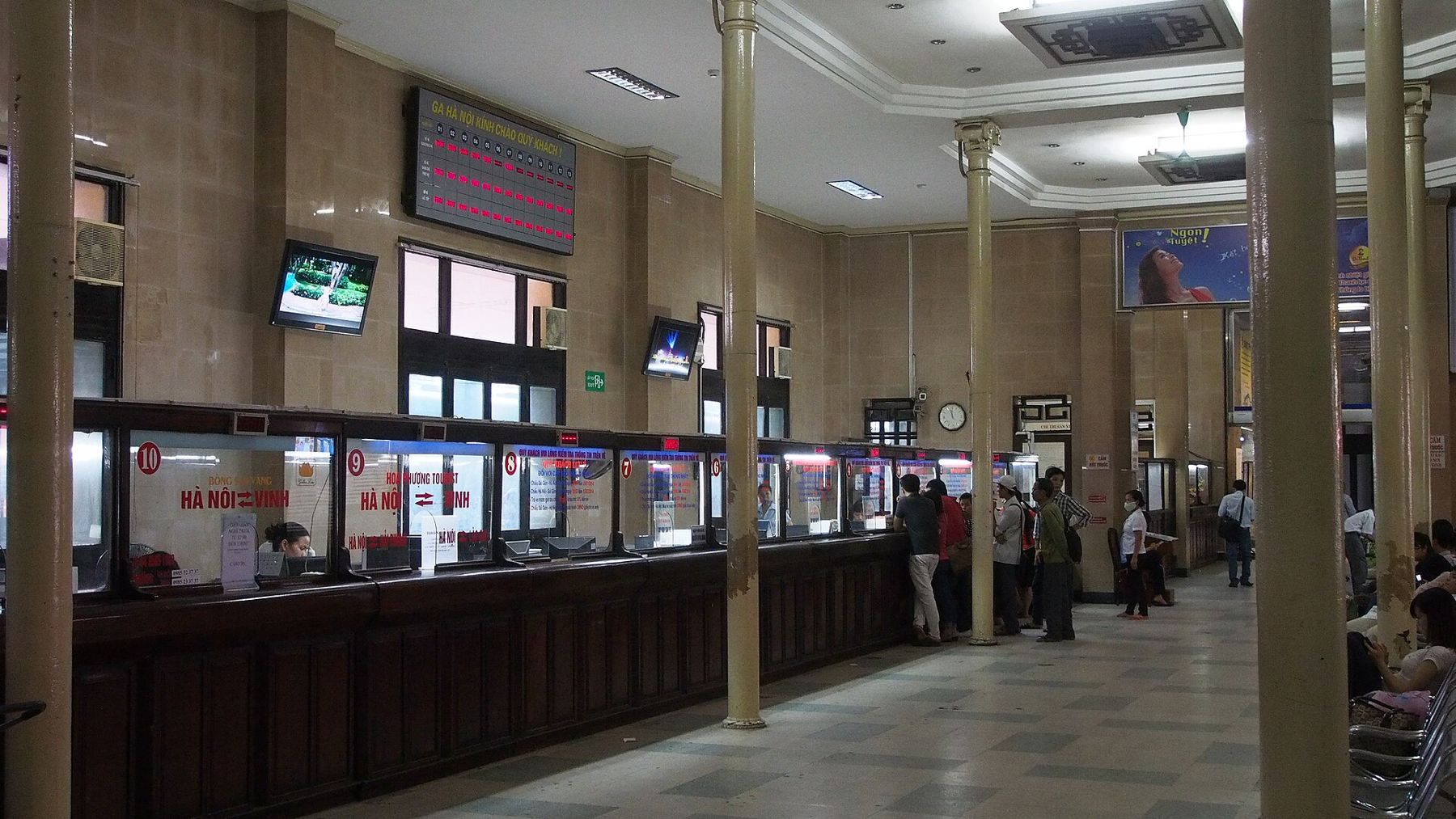
Tickets can be bought through the national railway's own website and sales channels, at station ticket windows, or through travel agents for a fee. You will need your passport details when booking. Your ticket shows the train number, the carriage and the berth, and you should carry your passport or ID on board.
Book several days ahead in normal periods and much earlier around weekends, school holidays and Tết, the lunar new year, when trains sell out. Fares, timetables and booking rules change, so check them for your dates. For the long north-south run in stages, see the Reunification Express episode.
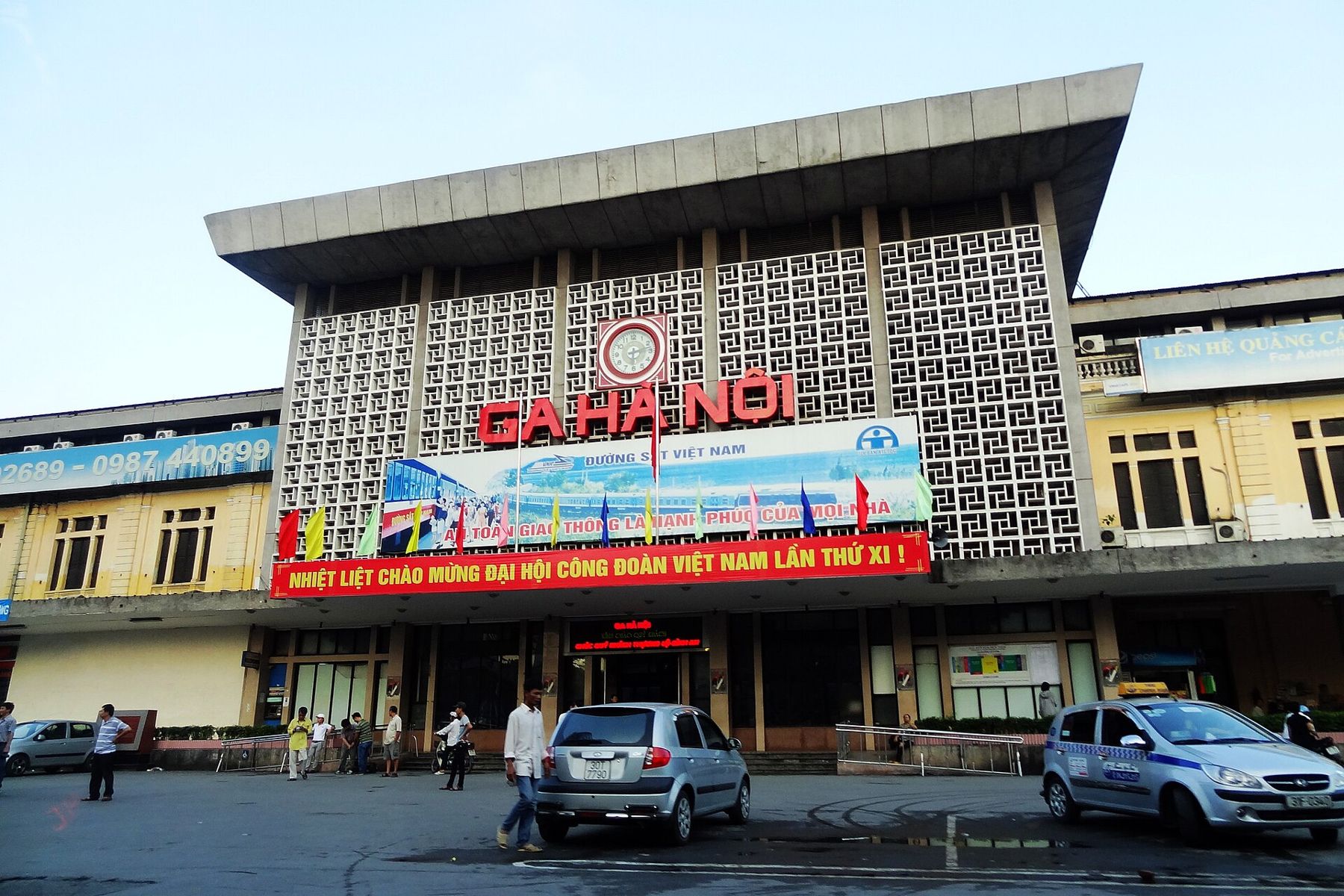
Arrive at the station at least half an hour before departure, find your platform and carriage, and show your ticket at the carriage door. At Hanoi station, some trains, including those to Lào Cai, board from the rear side of the station on a different street from the main hall, so check which entrance applies to your train.
What to pack
- A warm layer or a light sleeping bag liner: the air-conditioning can be strong.
- Earplugs and an eye mask, since the train stops at stations through the night.
- Water and snacks for the evening and early morning.
- Tissues, wet wipes and hand sanitiser for the shared toilets.
- A power bank; sockets are not guaranteed.
- Slippers or sandals for walking to the toilet.
- A small bag for valuables to keep with you in your bunk.
Most trains carry a trolley service with drinks, noodles and simple meals, but choices are limited and late-night supplies run thin.
Safety and comfort overnight
Night trains in Vietnam are generally safe, but theft does happen, especially at stations along the way. Keep your passport, phone, cash and cards on your person or under your pillow, not in a bag on the luggage rack. Lock the cabin door at night if you are in a soft sleeper, and check with cabin mates before opening it to anyone else.
Solo travellers who prefer more privacy often choose a lower berth in a soft-sleeper cabin. If anything feels wrong, find the carriage attendant, who usually rides in a small compartment at the end of the carriage.
Set an alarm. Trains to Lào Cai and many main-line services arrive very early in the morning, and some stations are short stops where the train does not wait long. Pack up before your stop, and check the station name as you pull in.
At the other end, transport touts gather at the exits of busy stations. Have a plan for the onward leg before you arrive, whether that is a pre-arranged pickup, a metered taxi or a public bus, and agree any fare before you get in.
Arriving rested
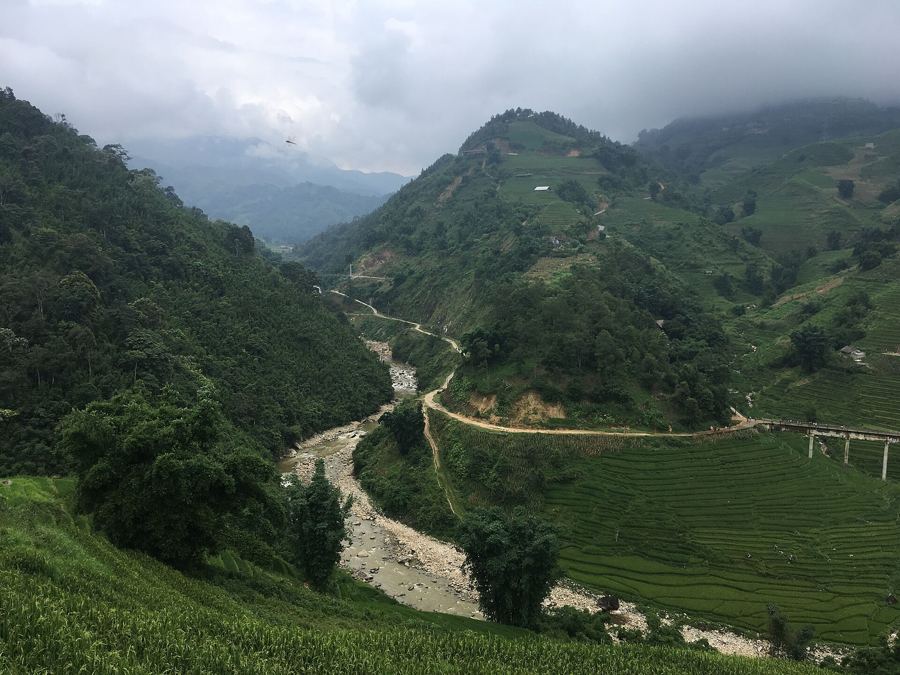
The first night train can feel strange: the swaying, the stops, the clatter of the rails. Most people sleep better the second time. Eat before you board, go easy on coffee in the evening, and settle in early. For the trip up to Lào Cai, a night train leaves you with a morning road ride to Sa Pa's terraces and a whole day in the hills. The bunk will not be your best bed of the trip, but it may come with the best view when you wake.