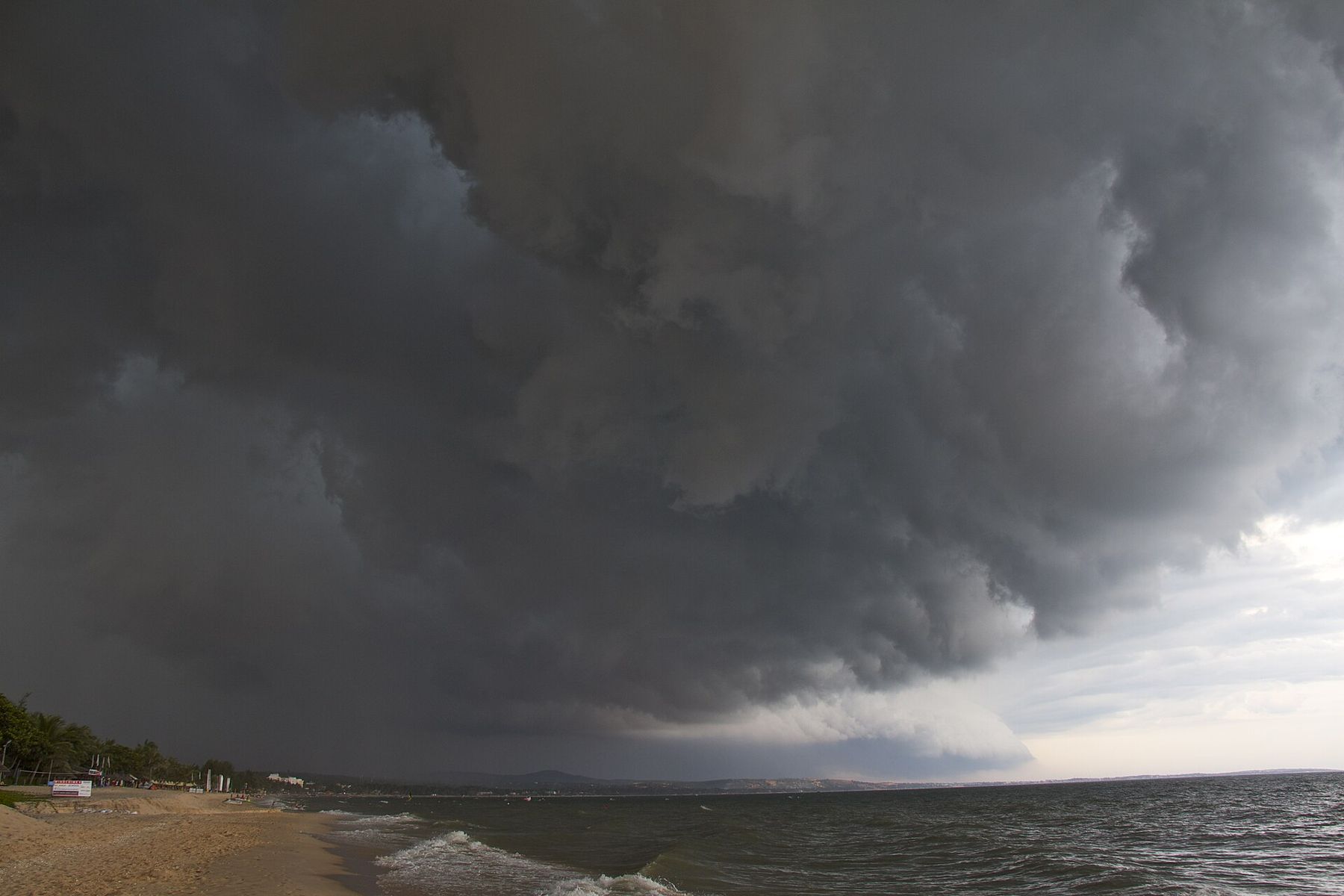
Vietnam stretches more than 1,600 kilometres from north to south, from the subtropical mountains on the Chinese border to the tropical Mekong Delta. Its weather changes along the way, and the seasons do not line up. When it is cold and grey in Hanoi, it can be hot and dry in Saigon; when the south is in its rainy season, the centre can be at its sunniest. Plan your route around that, and any month can work.
Three climates in one country
Broadly, the country divides into three zones. The north has four seasons, with a cool winter and a hot, wet summer. The centre has a dry season through spring and summer and its heaviest rain in autumn, with typhoons. The south is tropical, warm all year, with a wet season and a dry season.
Mountains complicate the picture. The Hai Van Pass between Huế and Đà Nẵng is a well-known weather divide: it often blocks the cool, damp winter air from the north, so Huế can be grey while Đà Nẵng is clear. The highlands, from Sa Pa in the north to Đà Lạt in the south, are always cooler than the coast below.
The north: cool winters, wet summers
Hanoi and the north have a real winter, roughly December to February. Days are cool and often grey, with a fine, persistent drizzle, and it can feel cold indoors because most buildings have little heating. Pack a warm layer. In the far northern mountains, around Sa Pa and Hà Giang, cold spells bring frost and, occasionally, snow.
Spring, around March and April, is mild and humid. Summer, from about May to September, is hot and sticky, with heavy downpours and the risk of storms, especially in July and August. Autumn, roughly October and November, brings clear skies and comfortable temperatures, and is many people's favourite time in Hanoi and on the Hà Giang loop.
On the northern bays, winter brings mist and low cloud, while summer storms can suspend boat trips. Boats follow official weather warnings, so keep spare days in your plan.
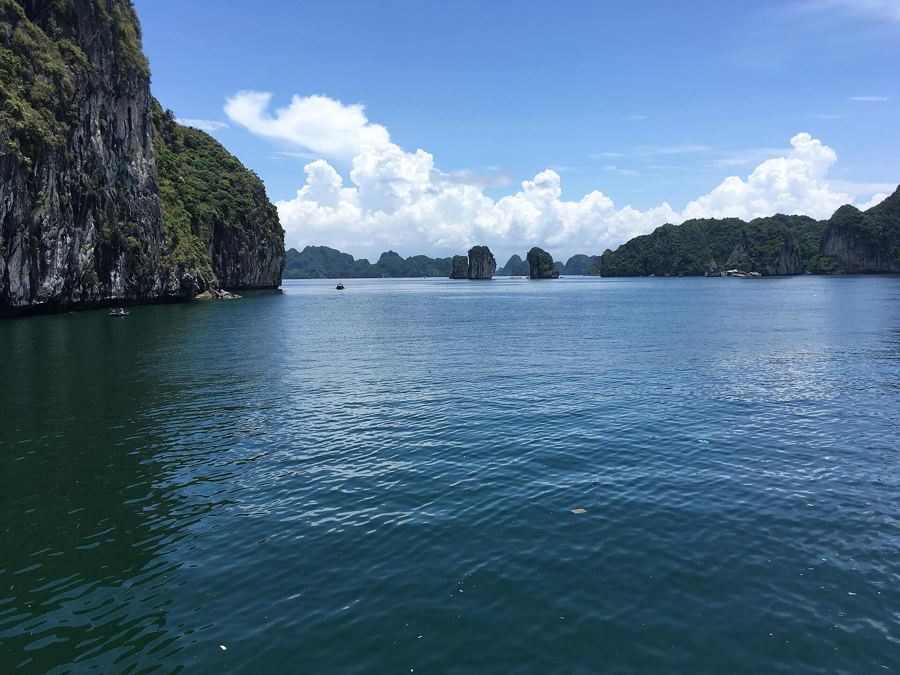 Coming up after thisLan Hạ Bay, the same karsts with more room to breathe
The centre: dry summers and the typhoon season
Central Vietnam, from around Huế and Đà Nẵng south towards Quy Nhơn, follows a different calendar. Spring and summer, roughly February to August, are mostly dry, and the summer months are very hot. The rains arrive in autumn. From about September to December, the coast gets its heaviest rainfall of the year, and this is when typhoons from the Pacific are most likely to make landfall here.
©
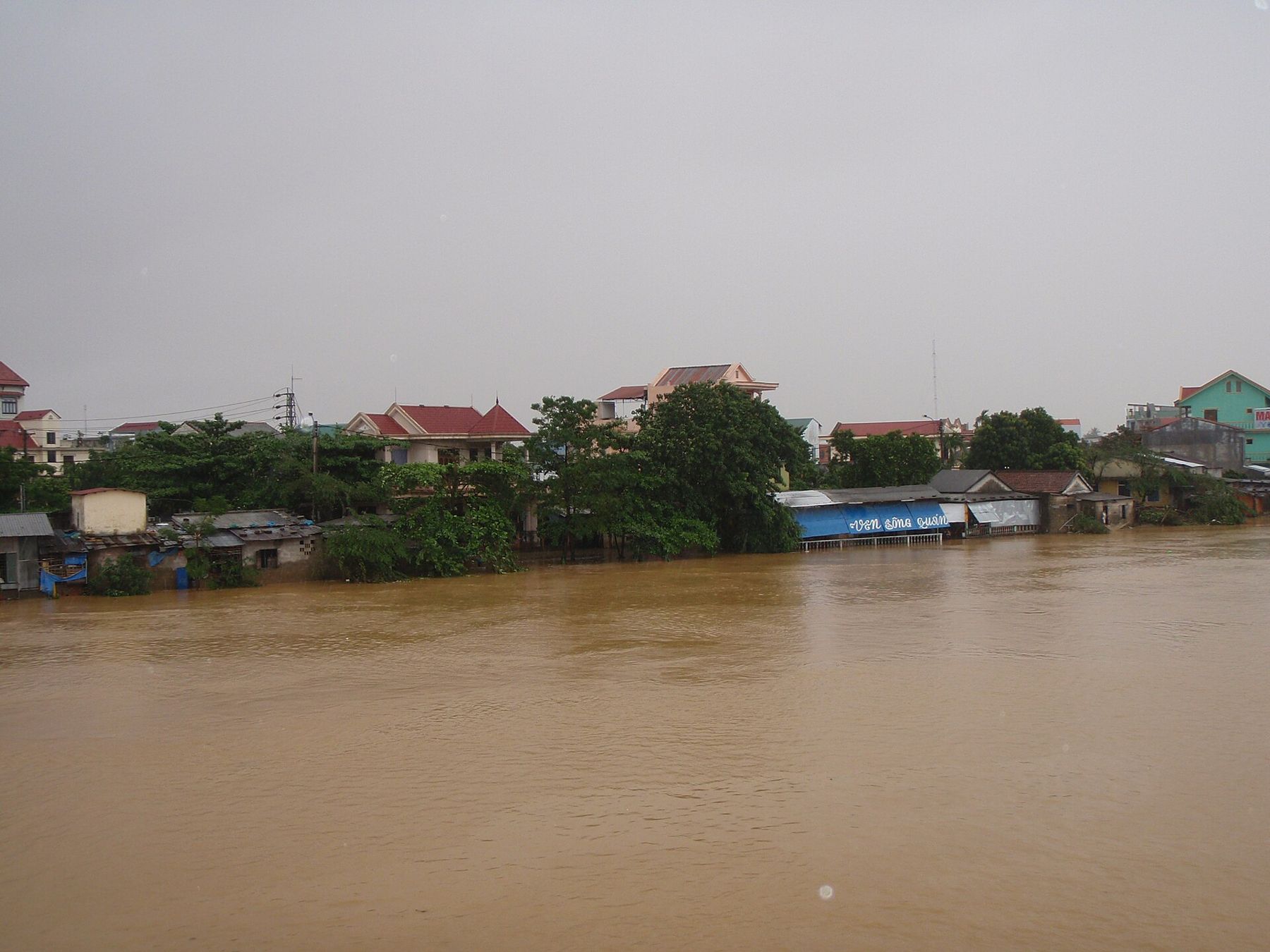
CAMERA: Lưu Ly // CC BY 3.0Floods are common in October and November, particularly around Huế and the low ground near Hội An, and they can close roads and rail lines for days. If you travel in these months, watch official forecasts, keep your plans flexible, and follow local advice. Storms can also affect the north in summer, so check forecasts wherever you are.
Further south, the coast around Nha Trang gets its main rains a little later, roughly October to December, and is dry for much of the rest of the year. The coast near Phan Thiết and Mũi Né is one of the driest parts of the country, and its steady winds from about November to March draw kitesurfers.
The south: wet and dry
Saigon, the Mekong Delta and the southern islands are tropical, hot all year, with two seasons. The dry season runs roughly December to April, with sunny days and lower humidity; March and April are the hottest months. The wet season runs roughly May to November. It rarely rains all day: expect a heavy downpour most afternoons that clears within an hour or two. The delta's water rises late in the rains, the season covered in the Mekong by sampan.
The southern highlands, around Đà Lạt and the coffee country to the north of it, are cooler throughout the year, with a rainy season that broadly matches the south's. Bring a jacket for the evenings at any time of year.
The southern islands follow the same broad pattern. Phú Quốc, in the Gulf of Thailand, is at its calmest and sunniest in the dry months, while the wet season brings rougher seas on its western coast. Côn Đảo, out in the open sea, has its own windows for calm water, set out in the Côn Đảo episode.
Tết and the travel calendar
Tết, the lunar new year, is the biggest holiday of the year. It falls between late January and mid-February, on a date that changes each year with the lunar calendar. In the weeks before, cities fill with flower markets, peach and kumquat trees and festive shopping. Then much of the country stops. Families travel home, many shops and restaurants close for several days, and trains, buses and flights sell out well in advance, often at higher prices.
Travelling over Tết can be special, with decorated streets and a festive mood, but plan carefully. Book transport and rooms early, expect some closures, and allow extra time for everything.
Choosing your months
- For a north-to-south trip: February to April is a good compromise, with mild weather in the north, dry weather in the centre and the dry season in the south.
- For the north and its mountains: October and November, or spring.
- For the central coast: February to August, avoiding the autumn storm season.
- For the south and the islands: December to April.
Weather patterns vary from year to year, and storms do not keep to calendars, so check forecasts before and during your trip. Pack a light rain jacket wherever you go: in Vietnam, it is usually raining somewhere.